+1 (212) 382-1314

Padparadscha sapphire is widely considered the rarest variety of corundum available on the open market. In 2025, that reality became even more apparent. Despite strong demand from collectors, dealers, and private buyers, very few true Padparadscha sapphires appeared at major international auctions. Even fewer met modern laboratory standards for origin, treatment, and color stability.
Unlike years where volume disguises scarcity, 2025 was notable for how quiet the Padparadscha market was. Only a handful of stones, across all auction houses combined, qualified as genuine Padparadscha by today’s stricter definitions. This was true regardless of size. Small stones were rare. Large stones were rarer still. Additionally, any size Padparadscha with the intense color was nowhere to be seen!
The following list highlights five Padparadscha sapphires sold at auction in 2025 that stand out for size, documentation, or rarity. The short list itself tells the story. Quality Padparadscha is increasingly difficult to source, certify, and replace. Prices reflected in auction do not necessarily reflect the Rare Gem’s quality.
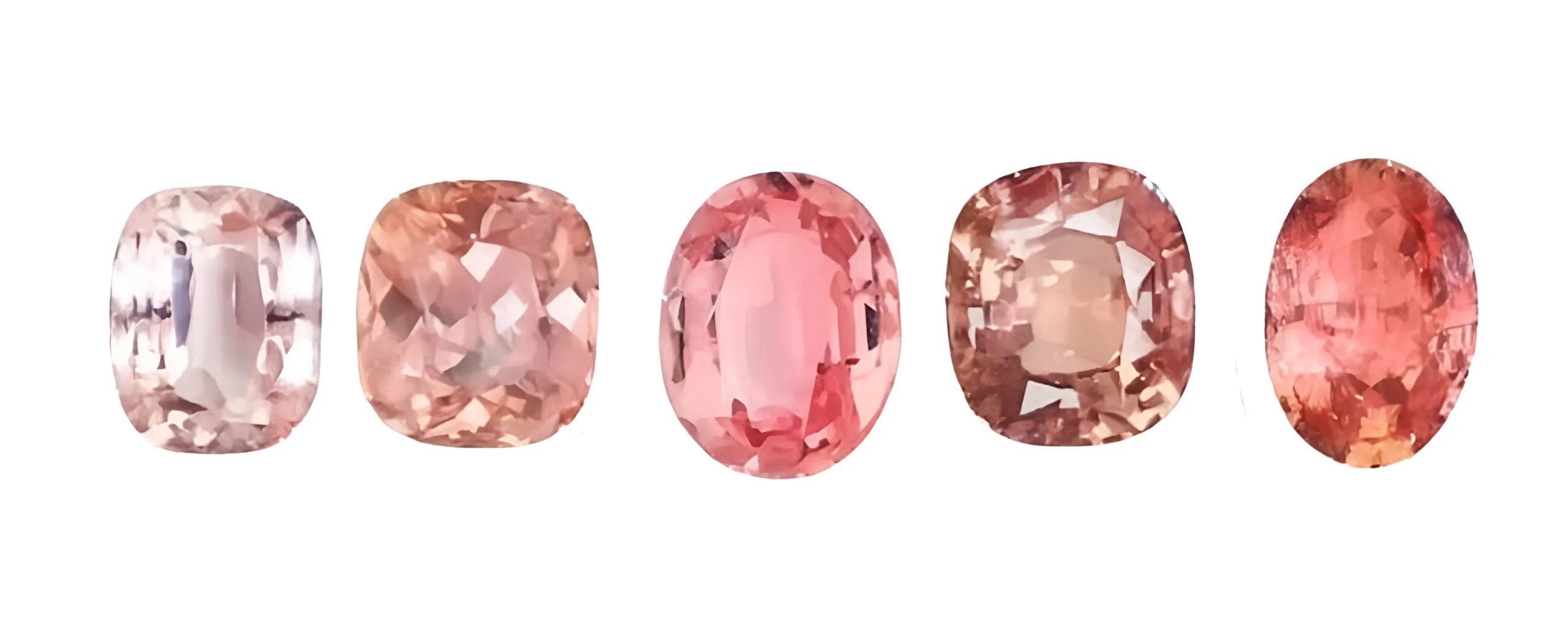
Padparadscha sapphire is defined by its color. The term traditionally refers to a delicate balance between pink and orange. Modern gemology has narrowed the definition significantly.
Today, leading laboratories such as AGL, SSEF, Gübelin, GIA, and GRS evaluate Padparadscha based on hue balance, tone, saturation, origin, treatment, and color stability. Stones that shift too far pink or too far orange are no longer accepted as Padparadscha by stricter labs.
For a full explanation of Padparadscha classification and testing standards, see our detailed guide here.
One of the most important developments in Padparadscha testing over the past decade is the emphasis on color stability. Some sapphires show attractive pinkish orange color under one light source but shift noticeably over time. This shift could potentially disqualify the gem as a Pad, and simply define it as a fancy color sapphire significantly changing its value.
The most accurate labs should evaluate whether a stone maintains its Padparadscha color across multiple lighting environments.
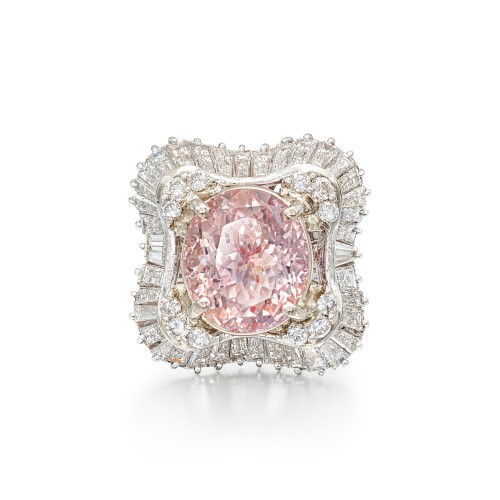
Auction House: Sotheby’s
Sale Date: September 25, 2025
Estimate: HKD 100,000 to 200,000
Sold: HKD 215,900
Approx. USD: 27,600
Auction Listing:
👉https://www.sothebys.com/en/buy/auction/2025/fine-jewelry-4/padparadscha-sapphire-and-diamond-ring-11-14ke-la
Details:
This was the largest Padparadscha sapphire sold at auction in 2025. Weighing 11.14 carats, the stone was accompanied by a GIA report stating Ceylon origin with no indications of heating. Large Padparadscha sapphires above 10 carats are extraordinarily rare regardless of clarity. The price point reflects the gems lighter saturation and tone, which falls below preferred colors for Padparadscha.
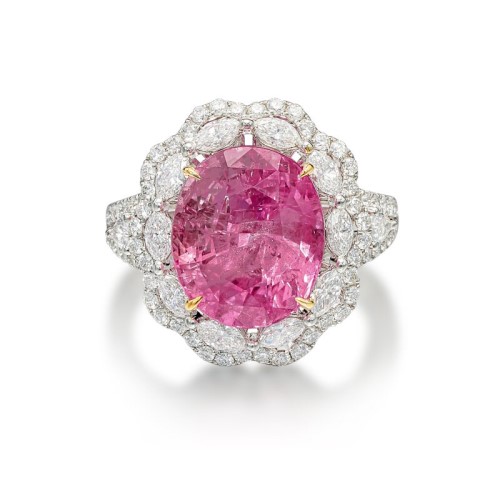
Auction House: Sotheby’s
Sale Date: September 25, 2025
Estimate: HKD 300,000 to 500,000
Sold: HKD 406,400
Approx. USD: 52,000
Auction Listing:
👉https://www.sothebys.com/en/buy/auction/2025/fine-jewelry-4/padparadscha-sapphire-and-diamond-ring-10-08ke-la
Details:
Certified by GRS as Ceylon origin with no thermal treatment. The stone showed medium orangy pink color with moderate saturation. This GRS cert is from 2013 which means it was not tested for color stability.
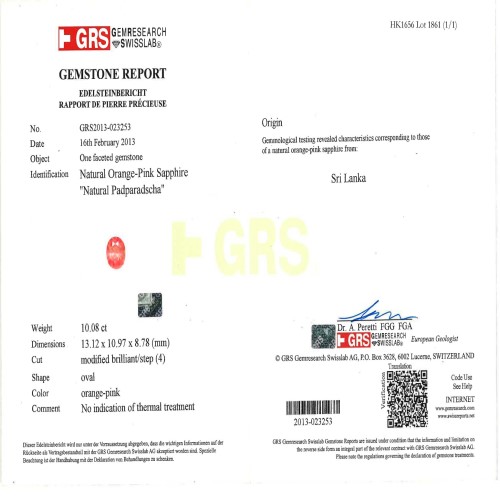
A careful look at the image on the report indicates that the color indeed faded. The lackluster performance at auction reflects that reality as the bidder more likely than not accepted this as a pink sapphire. It is unlikely that another lab would call this color “Padparadscha.” Moreover, the gem appears visibly included.
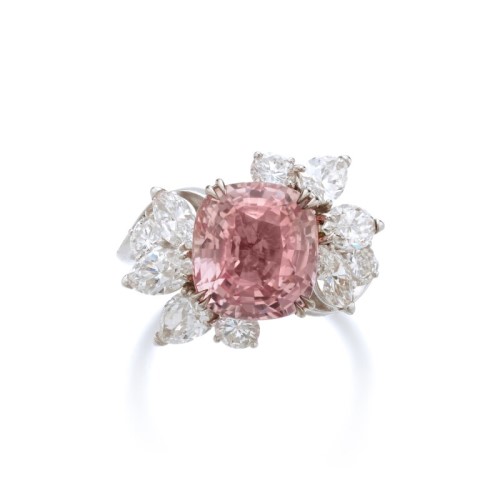
Auction House: Sotheby’s
Sale Date: November 14, 2025
Estimate: CHF 16,000 to 24,000
Sold: CHF 30,480
Approx. USD: 33,500
Auction Listing:
👉 https://www.sothebys.com/en/buy/auction/2025/fine-jewelry-ge2515/padparadscha-sapphire-and-diamond-ring
Details:
Accompanied by an SSEF report stating Madagascan origin, no indications of heating, and color considered stable. This is an important distinction in today’s Padparadscha market and a key reason the stone exceeded its estimate. This gem exhibits the classic Padparadscha medium tone color. However, the SSEF report notes that it is “light” orangy pink. The light tones as noted above will not fetch premium prices by collectors and investors.
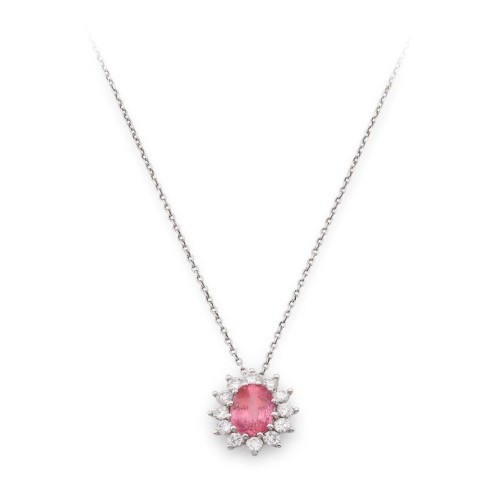
Auction House: Phillips
Sale Date: 2025
Estimate: CHF 20,000 to 28,000
Sold: CHF 16,510
Approx. USD: 18,200
Auction Listing:
👉https://www.phillips.com/detail/210652?fromSearch=padparadscha&searchPage=1
Details:
This pendant featured a 4.47 carat Padparadscha sapphire with a Gübelin report stating Ceylon origin and no heating. Gubelin is known for its narrow Pad color range, and it is surprising that this gem was sold at such a low price point. Without previewing the gem in person, it is hard to properly analyze other factors that may effect price. Also, Philips is a lesser known auction house. It seems that whoever won this gem got a great deal!
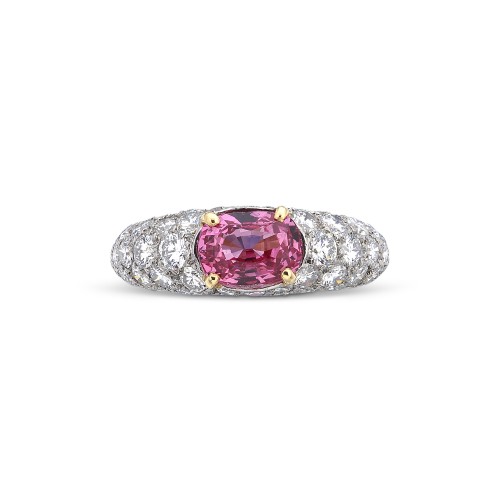
Auction House: Christie’s
Sale Date: November 6, 2024
Sold: HKD 100,800
Approx. USD: 12,900
Auction Listing:
👉https://onlineonly.christies.com/s/magnificent-jewels-online/no-reserve-cartier-padparadscha-sapphire-diamond-ring-2123/236800
Details:
Despite its smaller size, this Cartier signed ring achieved one of the highest per carat prices on the list. Gübelin confirmed Madagascan origin, no heating, and stable Padparadscha color. This vivid and intense color flow magnificently in this ring’s design. While definitely on the more pink side, the subtle orange glow makes this our preferred color of the 2025 auctioned Pads!
The most striking takeaway from 2025 is scarcity. Very few Padparadscha sapphires met modern lab standards, regardless of size. Strong documentation, untreated status, and stable color mattered more than carat weight alone.
The Padparadscha sapphire market continues to tighten. Supply is shrinking. Standards are rising. True Padparadscha sapphires are becoming harder to certify and harder to replace.
For collectors, patience matters, but readiness matters more.


.svg)