+1 (212) 382-1314

Among fancy color sapphires, few names create as much fascination, or debate, as Padparadscha Sapphire. Unlike blue, pink, or yellow sapphire, Padparadscha is defined not by a single color but by a delicate combination of pink and orange.
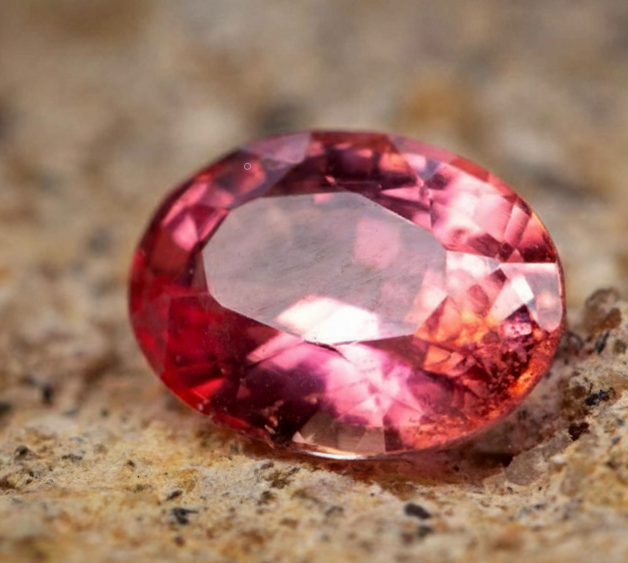
The name is generally associated with the Sinhalese word padmaraga and the lotus flower. The comparison is fitting: the finest Padparadscha sapphires display a soft pink-orange color reminiscent of a lotus touched by warm sunlight. Other references visually it as the appearance of a marvelous sunset.
But defining exactly where pink sapphire ends and Padparadscha begins is more complicated.
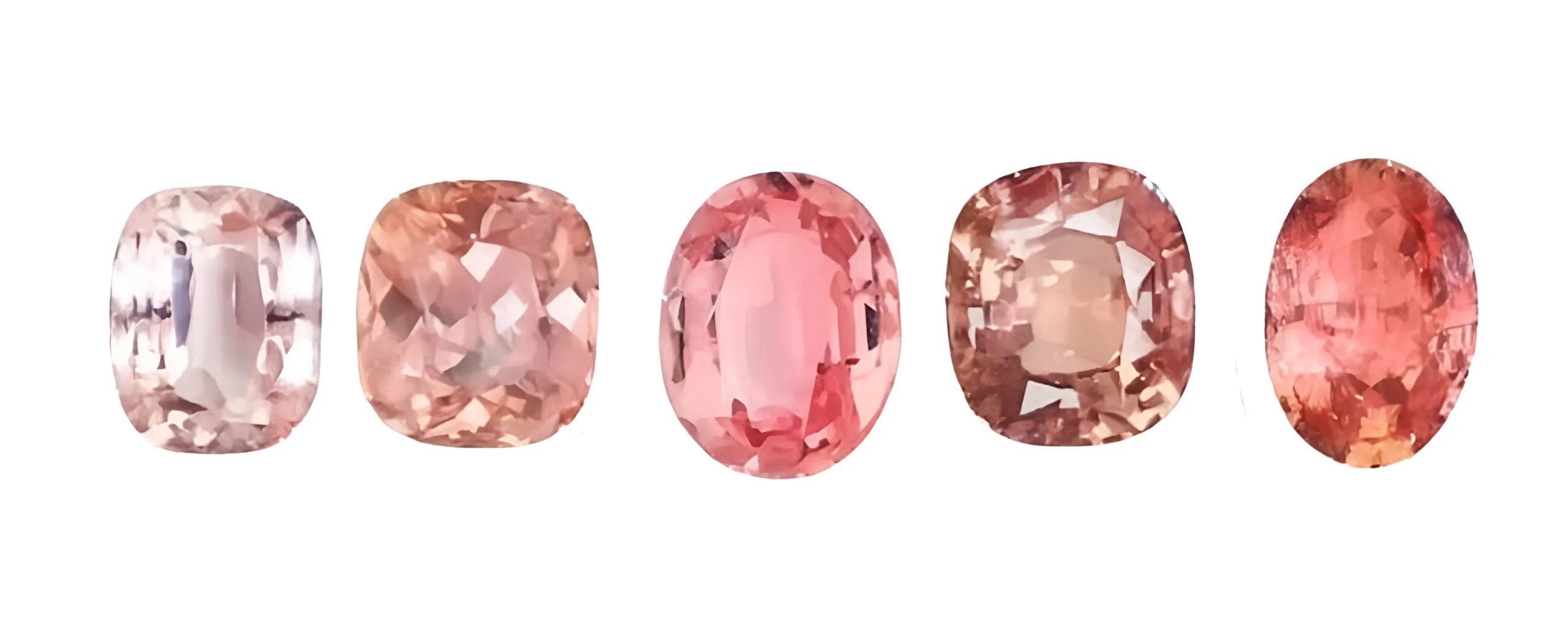
A true Padparadscha Sapphire must contain both pink and orange. Neither color should completely dominate.
Move too far toward pink and the gemstone becomes a pink sapphire. Move too far toward orange and it becomes an orange sapphire. Padparadscha occupies the exceptionally narrow range between them.
Tone and saturation are equally important. Classic Padparadscha tends to fall within a light-to-medium tone rather than appearing extremely dark. Its appeal comes from the interaction of pink and orange rather than simply having the strongest possible saturation.
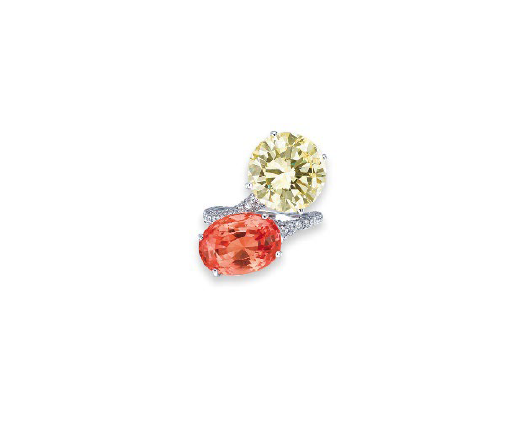
This narrow color range helps explain both the rarity of Padparadscha and the difficulty of identifying it. Most Gems suspected of potentially achieving this coveted designation are singed with notes of brown. This brown masking is quite often the biggest disqualifier. Additionally, most dealers incorrectly believe their own stones are “Pads” when the truth is they are just pink sapphires as pink dominates the color play.
Padparadscha is unusual because even respected gemological laboratories can reach different conclusions about the same sapphire.
Color exists on a continuum. There is no physical line inside a sapphire separating "Padparadscha" from "pink-orange sapphire." Laboratories establish their own criteria for determining whether a gemstone falls within the acceptable Padparadscha range.
This makes the laboratory report especially important. For a significant Padparadscha Sapphire, buyers should pay close attention not only to whether the report uses the Padparadscha designation, but also which laboratory issued the report. As of 2019, color stability testing is part and parcel of the true identity of Padparadscha. Should your report have a lab without such testing, I would be reluctant to accept it as such.
The ultimate judgment, however, still involves the gemstone itself. For the novice, begin with member labs of the Lab Manual Harmonization committee.
Sri Lanka, historically known as Ceylon, is the traditional home of Padparadscha Sapphire. For generations, the gemstone became so closely associated with Sri Lanka that Ceylon origin remains particularly desirable among collectors. This associated tends to limit the ability to find gemstones, as Africa has become the main source for many gemstones.
Padparadscha-like sapphires have since been discovered in other locations, most notably Madagascar and parts of East Africa. Some of the finest material comes from these sources.
As with other important colored gemstones, a respected laboratory report can help establish geographic origin. Some experts suggest that Sri Lankan Padparadschas show more of an open orange base color.
Treatment is another major factor in Padparadscha Sapphire value.
Heating sapphires to improve their appearance is a long-established practice in the gemstone industry, and heated Padparadscha sapphires are traded openly when
properly disclosed. However, an exceptional unheated Padparadscha Sapphire with natural pink-orange color occupies a much rarer category.
For serious collectors, the combination of exceptional color, meaningful size, desirable origin, no heat, and respected laboratory documentation can make a Padparadscha extraordinarily difficult to replace. As a general rule, a non heated gemstone of similar color will be worth more than a heated equivalent.
Ultimately, the word on the laboratory report is only part of the story.
The finest Padparadscha Sapphire should possess a beautiful balance of pink and orange, attractive tone and saturation, good transparency, and a cut that allows its color to come alive. Origin, treatment, size, and laboratory documentation then contribute additional layers of rarity.
That combination is precisely why natural Padparadscha Sapphires remain among the rarest, most debated, and most collectible sapphires in the world.
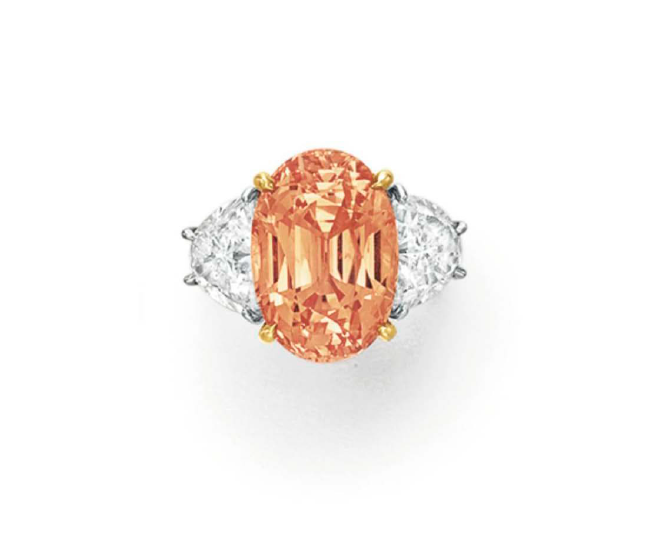
According to our experience, the right Padparadscha will cause some individuals to see pink, while somehow cause other individuals to see orange. The appearance of both will mesmerize the eyes into fascination causing the viewer to appreciate the beauty more and more as the gaze continues. When you see it, it is hard to forget!


.svg)